
Leading Vibration Testing Solutions for
CentraTEQ is dedicated to the automotive industry’s core values of precision, reliability, and safety. Our product test solutions are meticulously designed to meet and exceed the rigorous standards and dynamic requirements of this pivotal sector.
Vibration Testing is one of many structural tests used to help designers simulate the environmental conditions that products face during manufacture, in transit and when used in the field.
Automotives and their components must perform safely and efficiently for a vehicle’s entire life cycle. Automotive testing is critical during vehicle development and allows test engineers to analyse the effect of long-term vibration and shock which intensify the general stress and may cause failure.
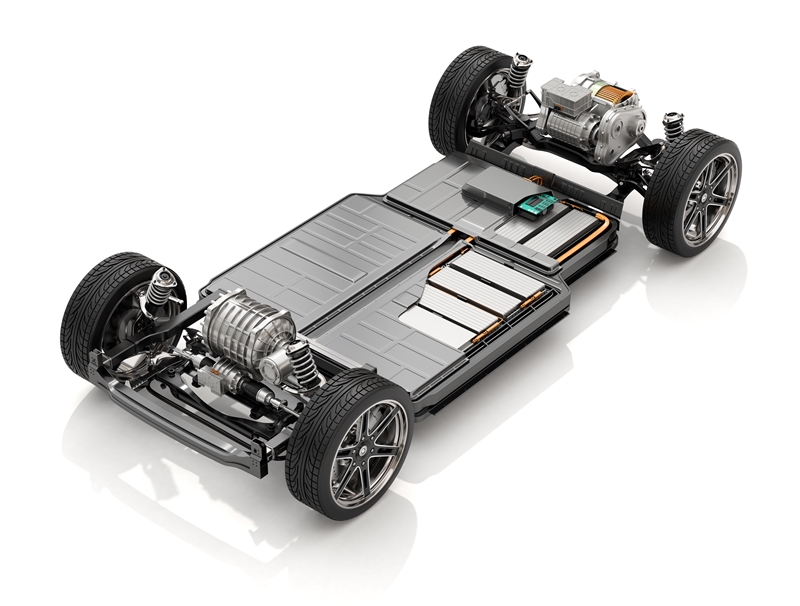
From instrument panels and automotive electronics to EV batteries, automotive components must be tested to precise vibration patterns and levels.
In some cases, the vibration tests prove that critical devices will not fail under normal road conditions. In other cases, the tests identify less critical but equally important aspects to manufacturers and their customers – annoying squeaks and rattles.
Demanding Vibration & Shock Testing
Vibration testing systems from CentraTEQ can handle the most demanding vibration and shock testing specifications to deliver an effective vibration test program including Sine, random, sine on random and random on random.
Sometimes a complete rig consisting of multiple shakers is configured to replicate the vibration environment experienced by all the wheels of the vehicle simultaneously.
We also offer Highly Accelerated Stress Testing (HAST) and Highly Accelerated Life Test (HALT) capabilities.
Opt for CentraTEQ test solutions to ensure your products meet industry standards, your vehicles are safer and more reliable and you can exceed customer expectations.
Automotive & Ground Transportation sector applications include
Durability Testing
Simulate the continuous exposure of a vehicle and its components to various road conditions, including potholes, rough terrain, and other road imperfections. Evaluate the lifespan and reliability of vehicle components, including engines, suspensions, and exhaust systems.
Safety & Crash Testing
Subject automotive safety systems, including airbags and seatbelts, subjected to shock tests to ensure they deploy effectively during a collision. This is critical for passenger safety in the event of an accident.
Vibration & Harshness Testing
Ensure a smooth and comfortable ride for passengers, eliminating unwanted vibrations and noise.
Electronics & Sensors Testing
Modern vehicles are equipped with a wide range of electronic systems and sensors, such as ABS (Anti-lock Braking System) sensors, airbag sensors, and more. Vibration and shock tests assess the reliability and functionality of these components under various driving conditions.
Combined Environmental Testing
Assess how well a vehicle or its components can withstand extreme environmental conditions, such as extreme temperatures, humidity, or exposure to salt (for vehicles used in coastal areas).
Testing Autonomous Vehicles
Autonomous vehicles rely on various sensors, including LiDAR, radar, and cameras. Ensure the reliability of these sensors in real-world conditions, which is critical for the safety and performance of autonomous driving systems.
Quality Control
Vibration testing used in quality control processes, identifies manufacturing defects or weaknesses in automotive components before they reach consumers. This helps prevent costly recalls and ensures a high level of product quality.
Compliance Testing
Automotive manufacturers need to adhere to strict industry standards and regulations. Vibration and shock tests are conducted to ensure that vehicles and their components meet the required safety and performance standards.
Customisable Testing Systems
Adapt our equipment to your specific automotive and ground transportation testing needs, including SAE and ISO standards.